These five ideas anchor how we design for autonomous agents alongside people. Use the tabs below to read each principle in depth and browse illustrated pattern examples.
Select a principle to see how it translates into concrete interaction patterns.
Humans guide how agents operate by setting boundaries, preferences, and intent. Control aligns autonomy with human goals.
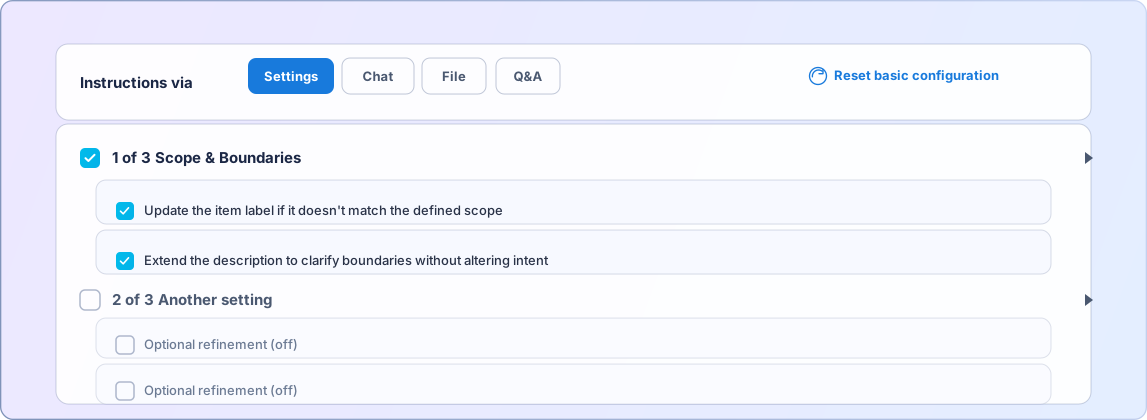
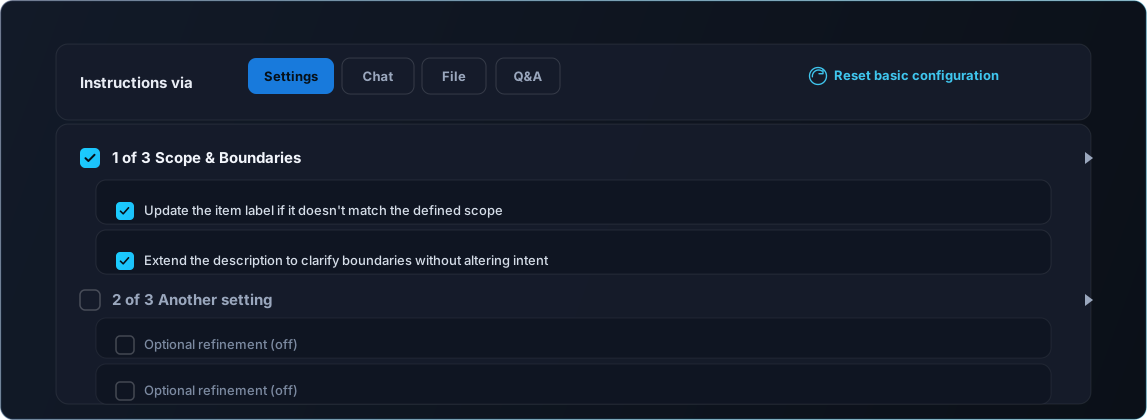
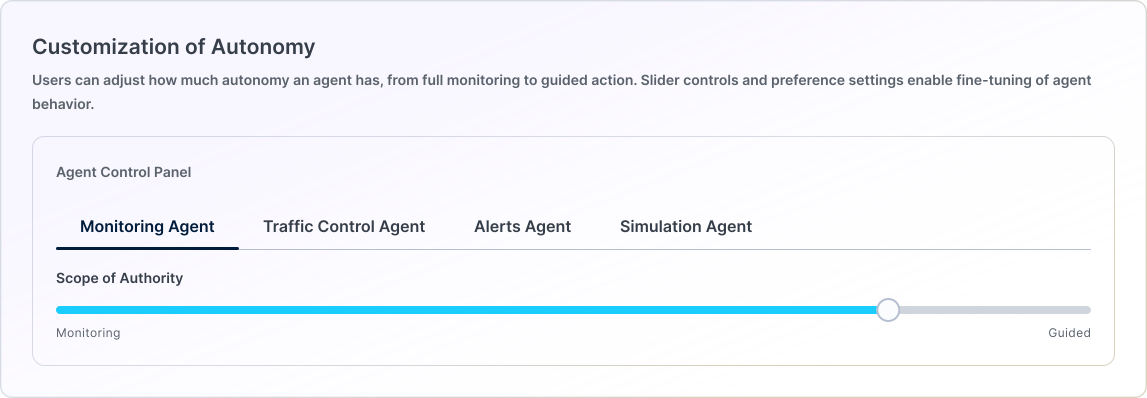
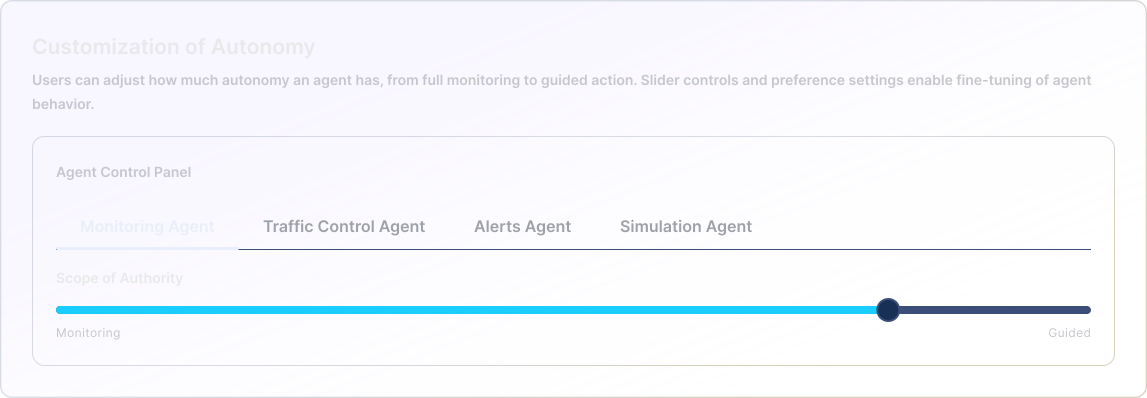
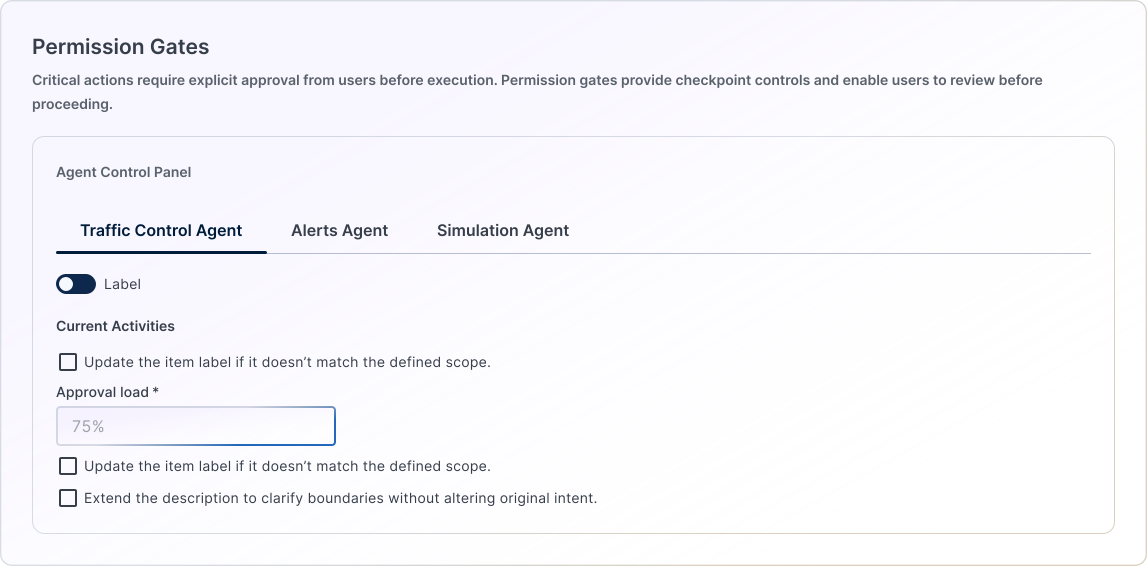
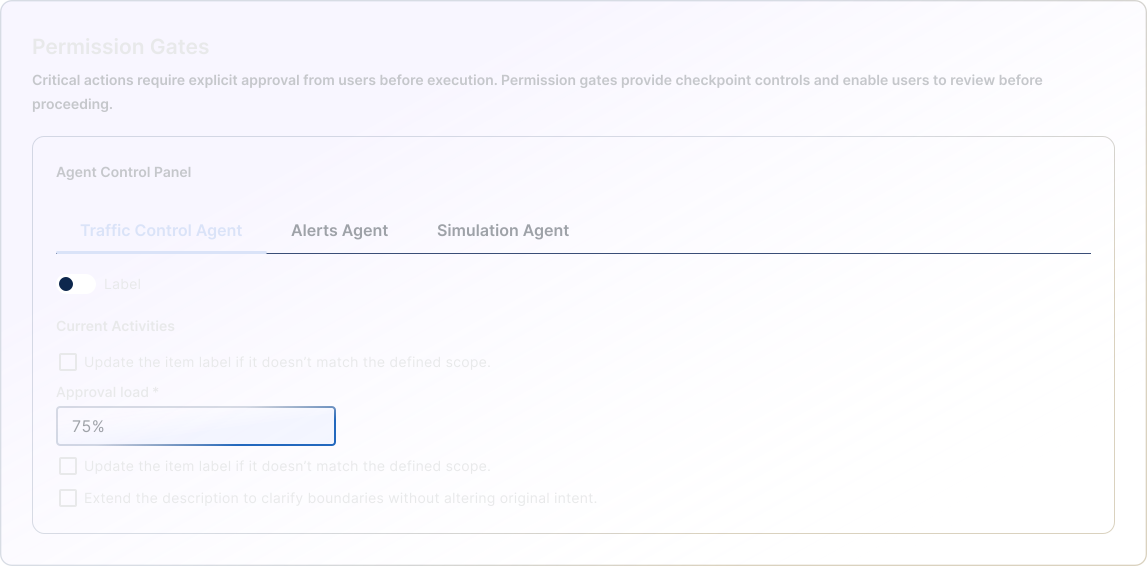
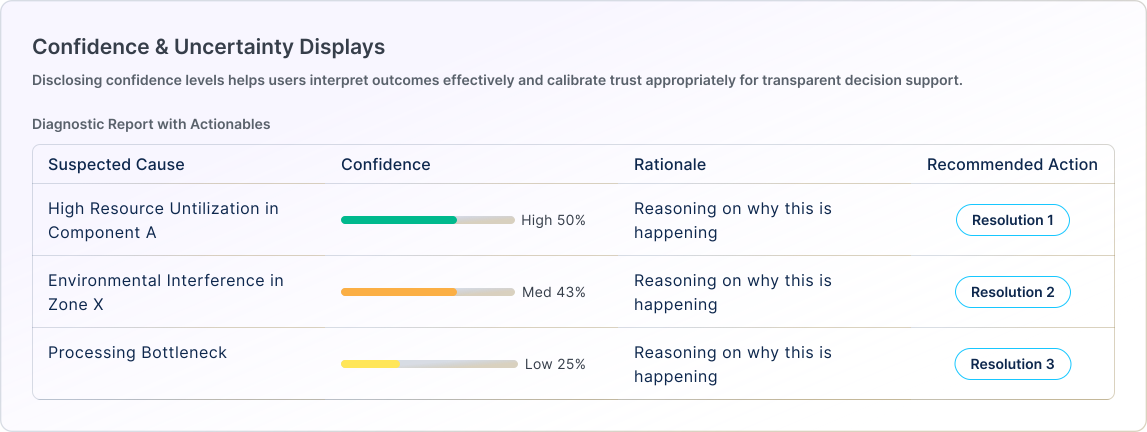
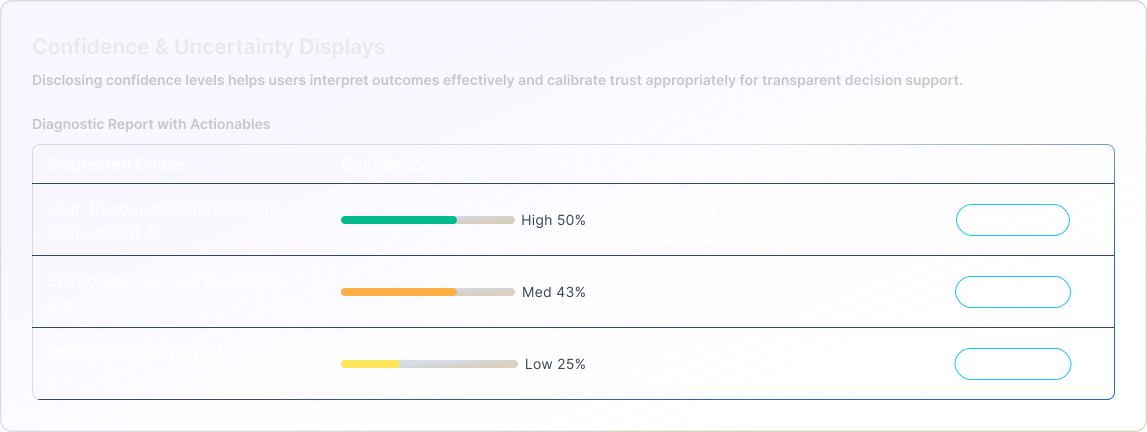
Agents should make their reasoning, context, and confidence visible. Instead of acting like black boxes, they show how decisions are made so users can understand, question, or adjust them.
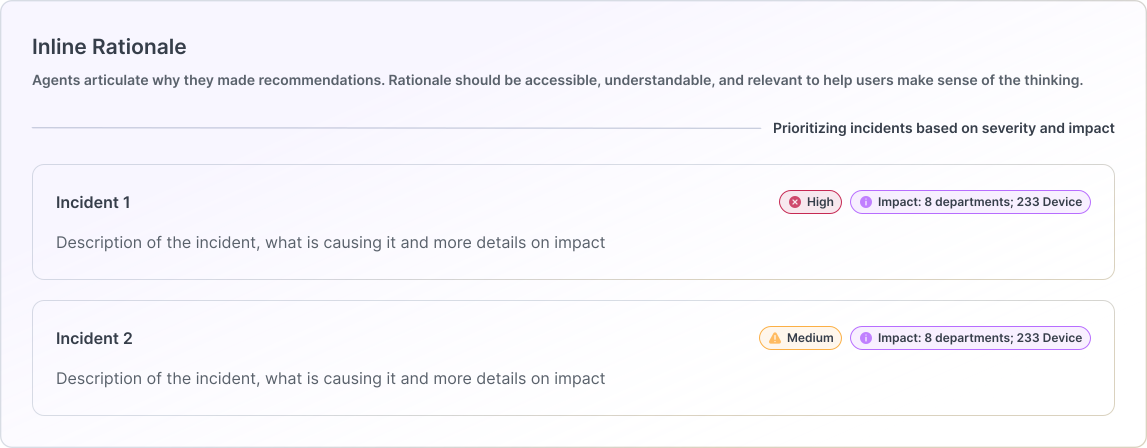
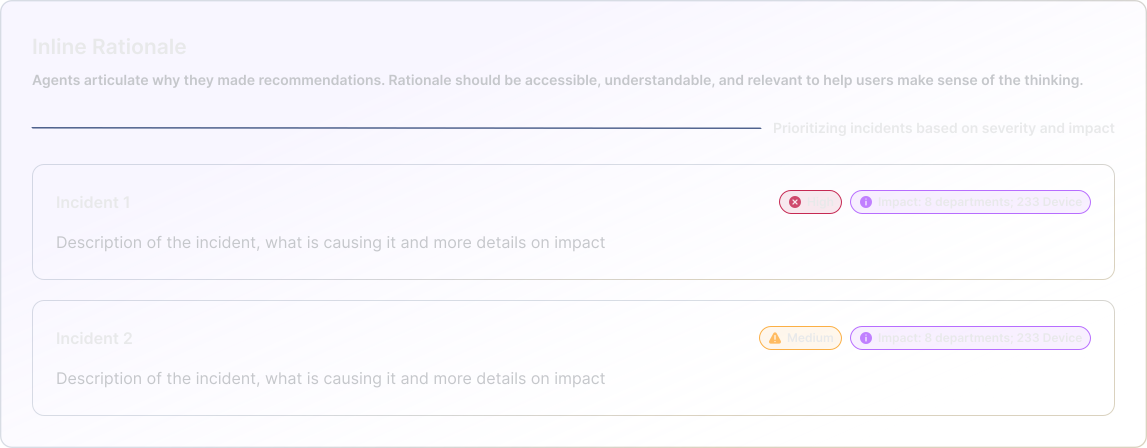
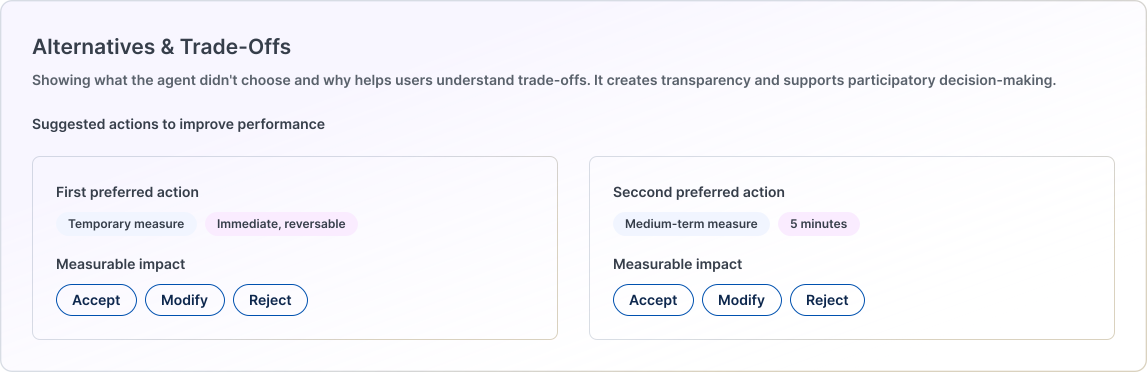
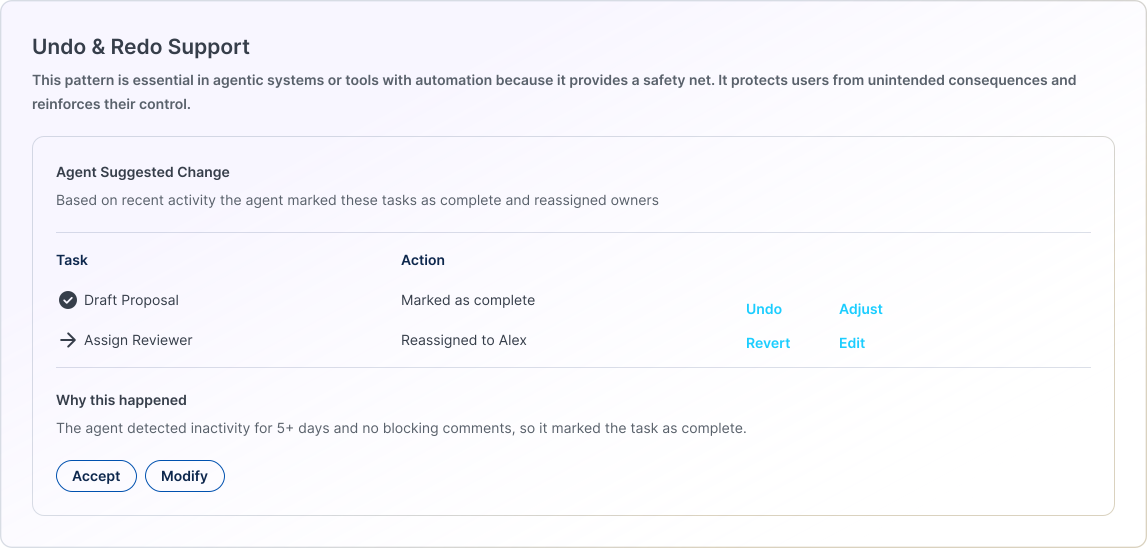
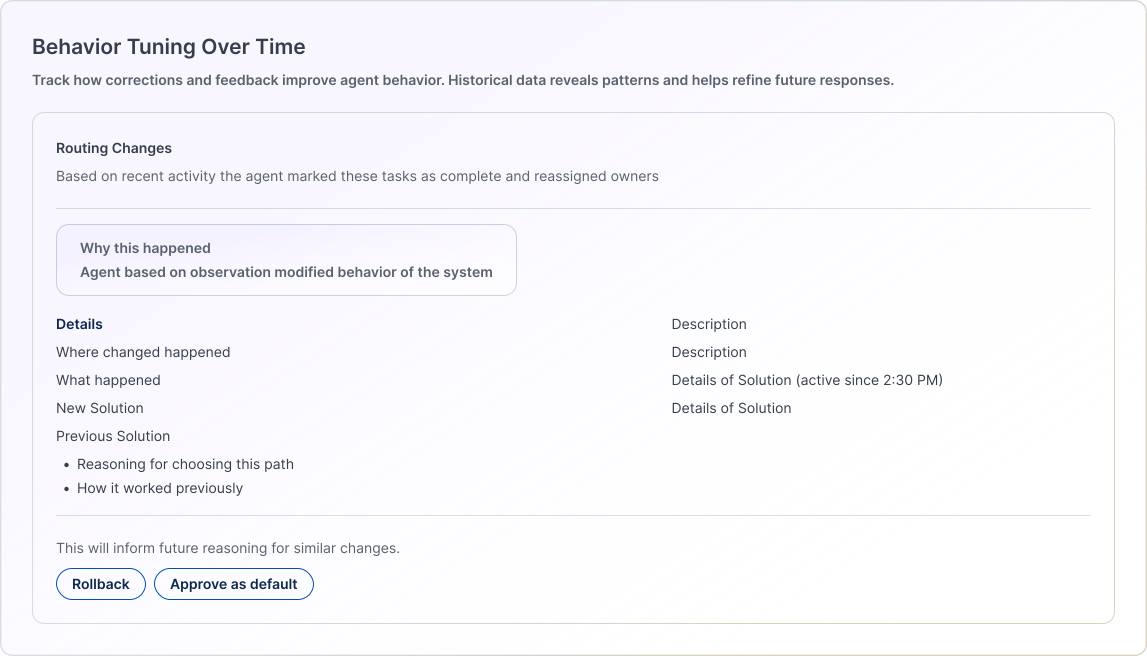
Agents will make mistakes, what matters is how fixable they are. Recovery means giving users clear, safe ways to undo actions, correct errors, and guide future behavior. It makes systems feel less brittle and more collaborative.

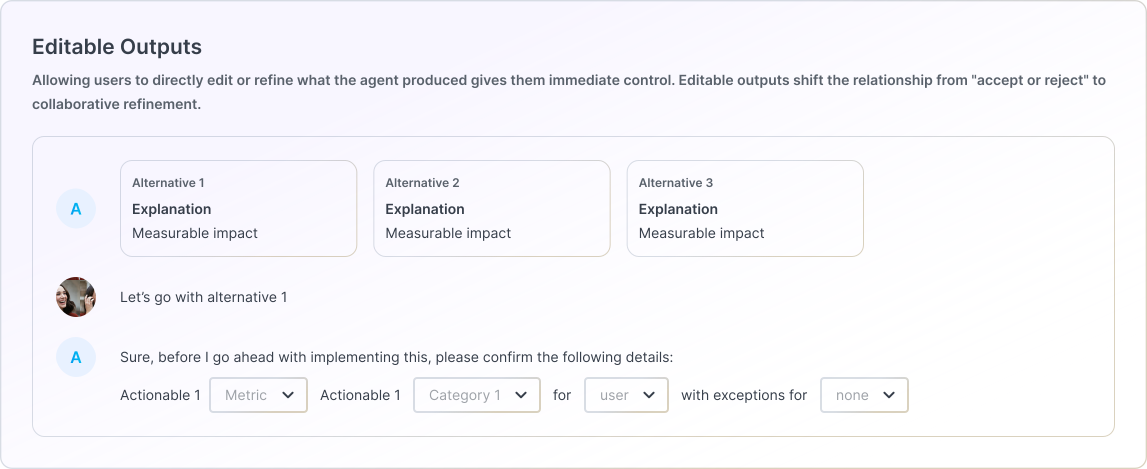
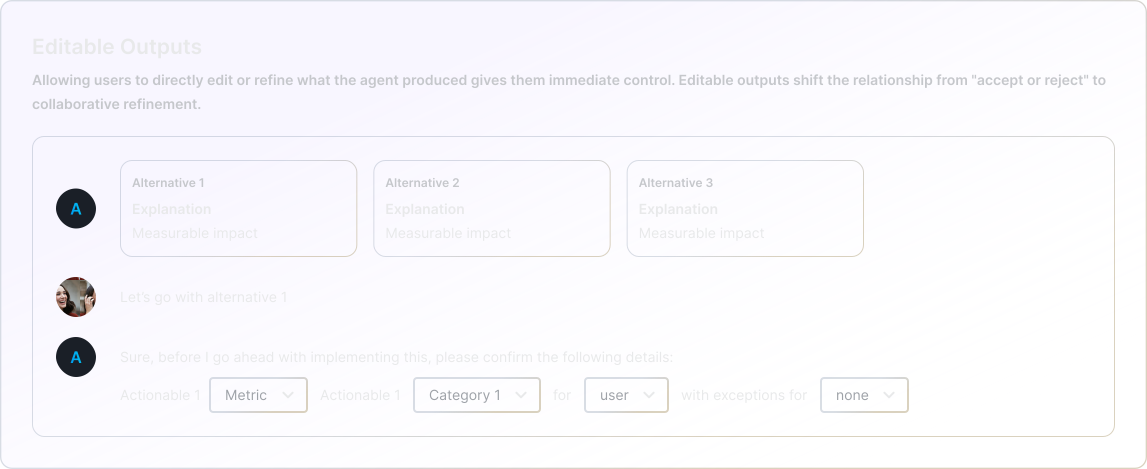
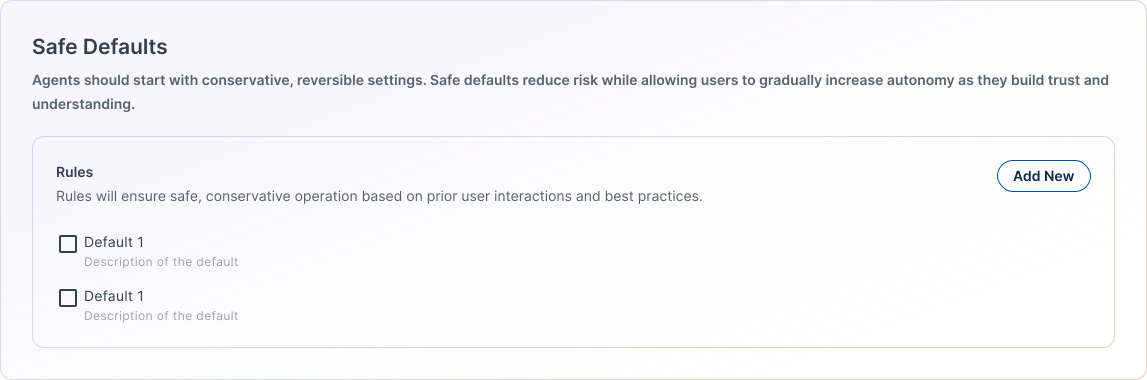
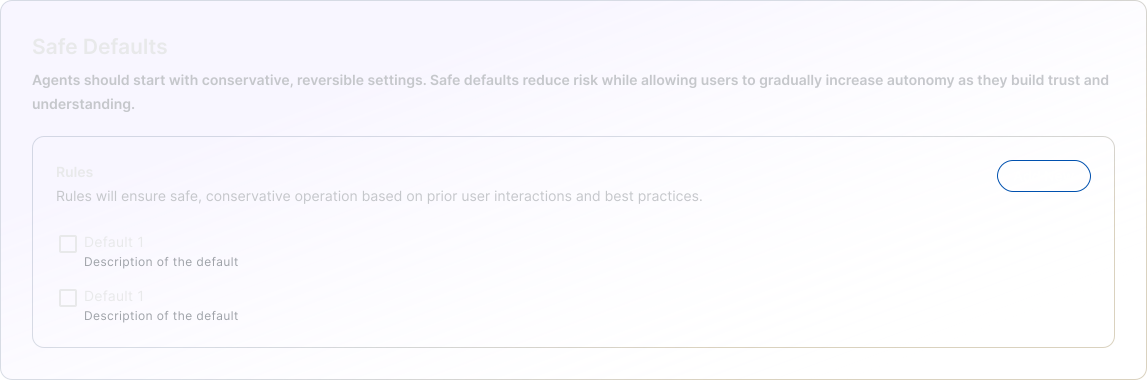
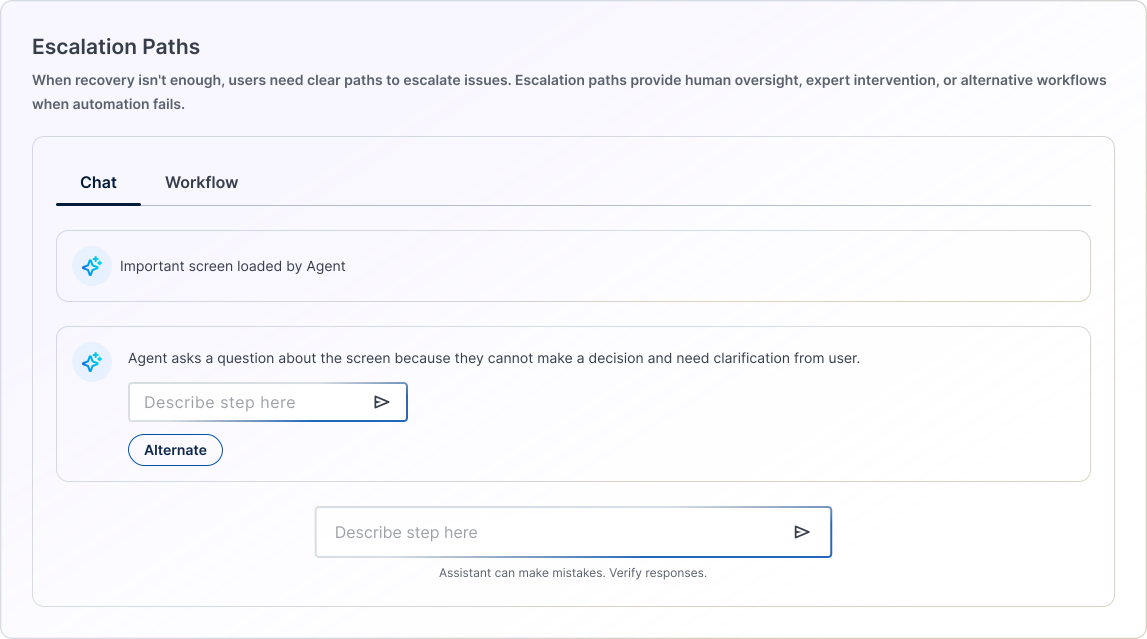
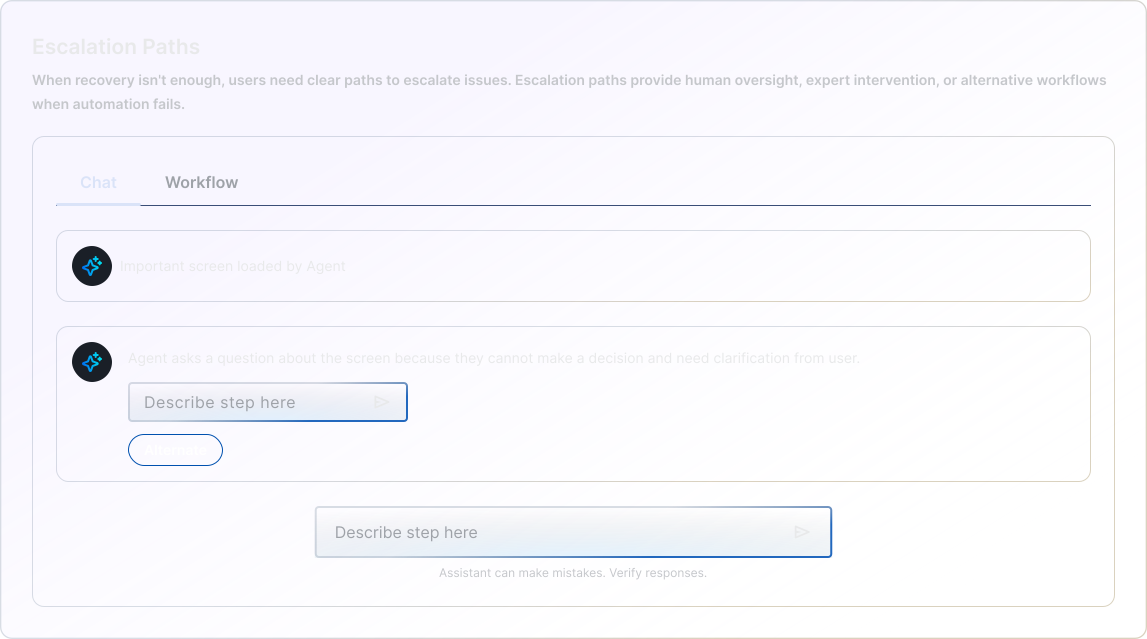
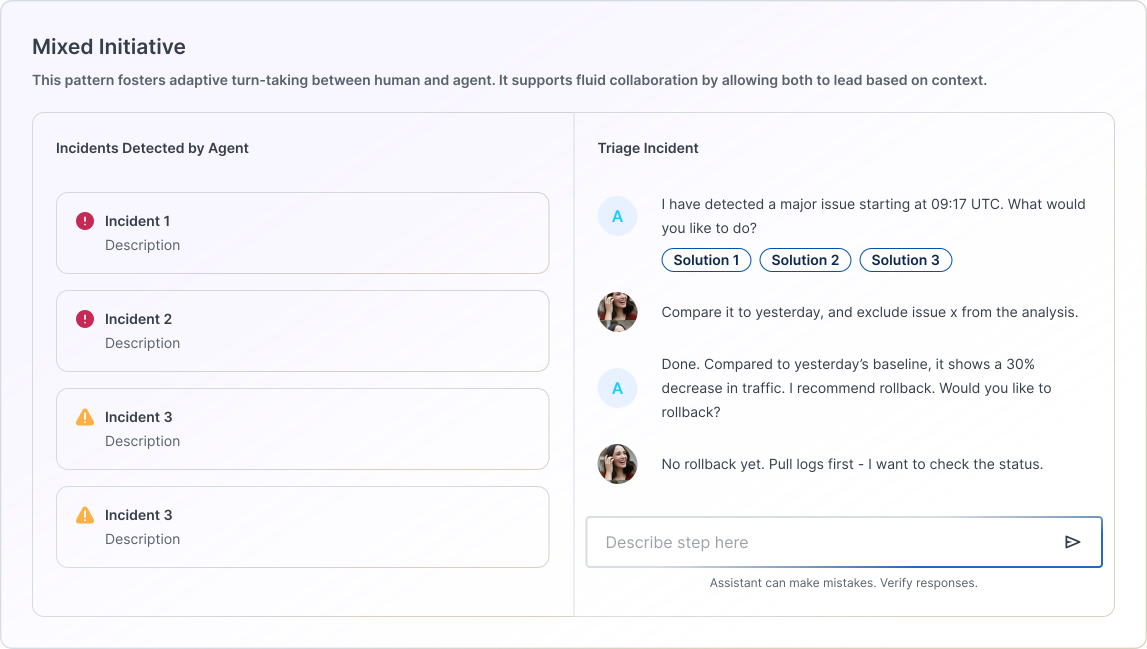
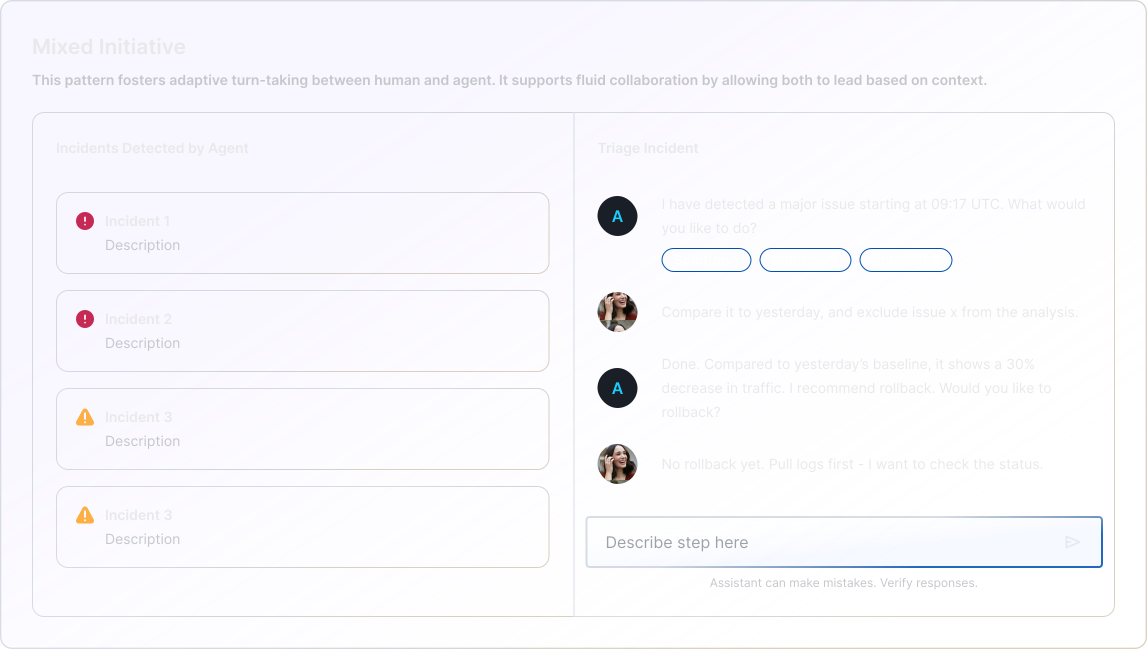
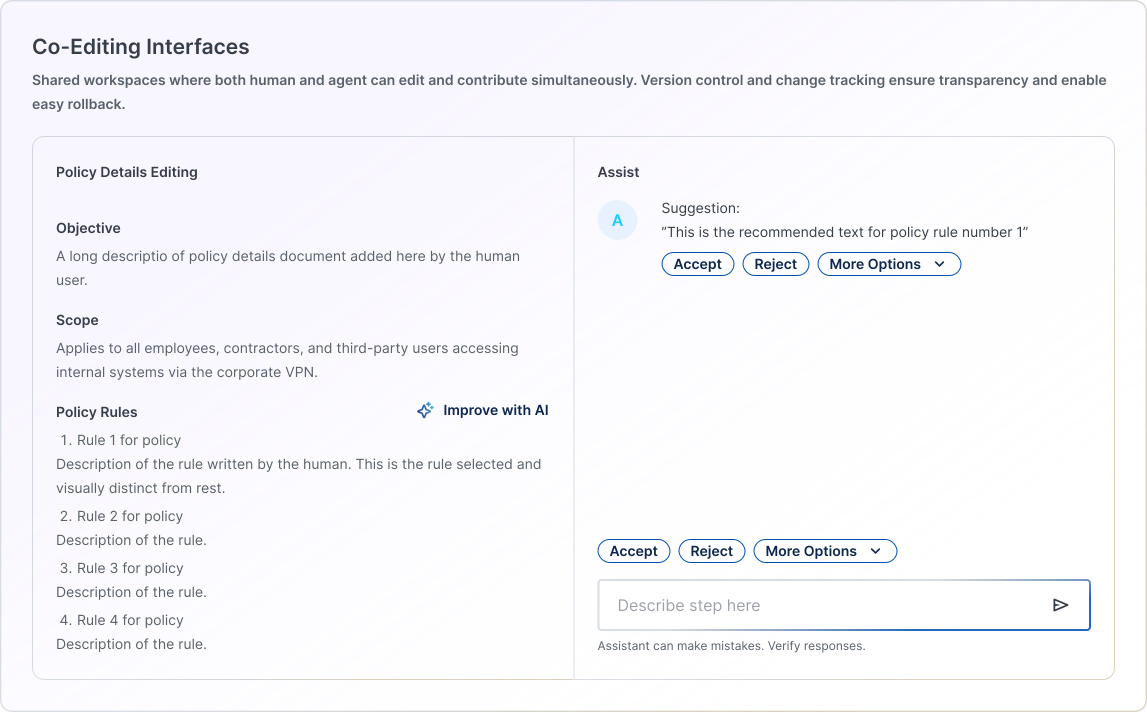
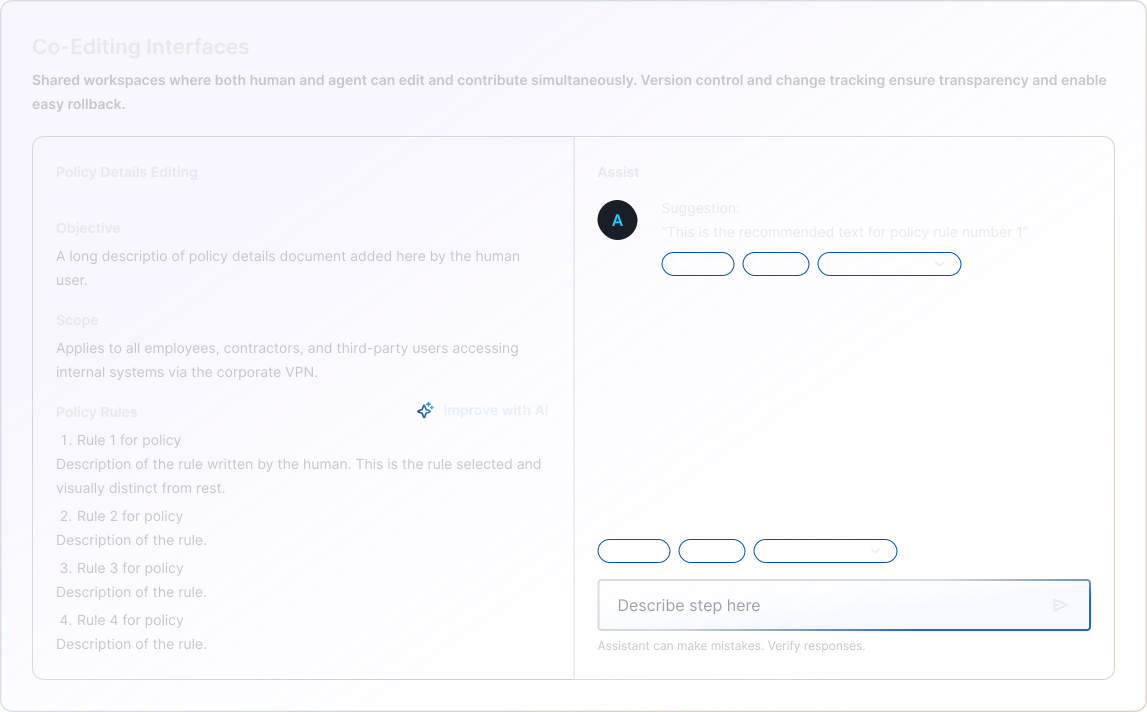
Autonomous agents should act as capable partners, not just tools waiting for commands. Collaboration means shared context, back-and-forth interaction, and joint ownership of outcomes. The agent contributes ideas, takes input, and improves the work in progress.
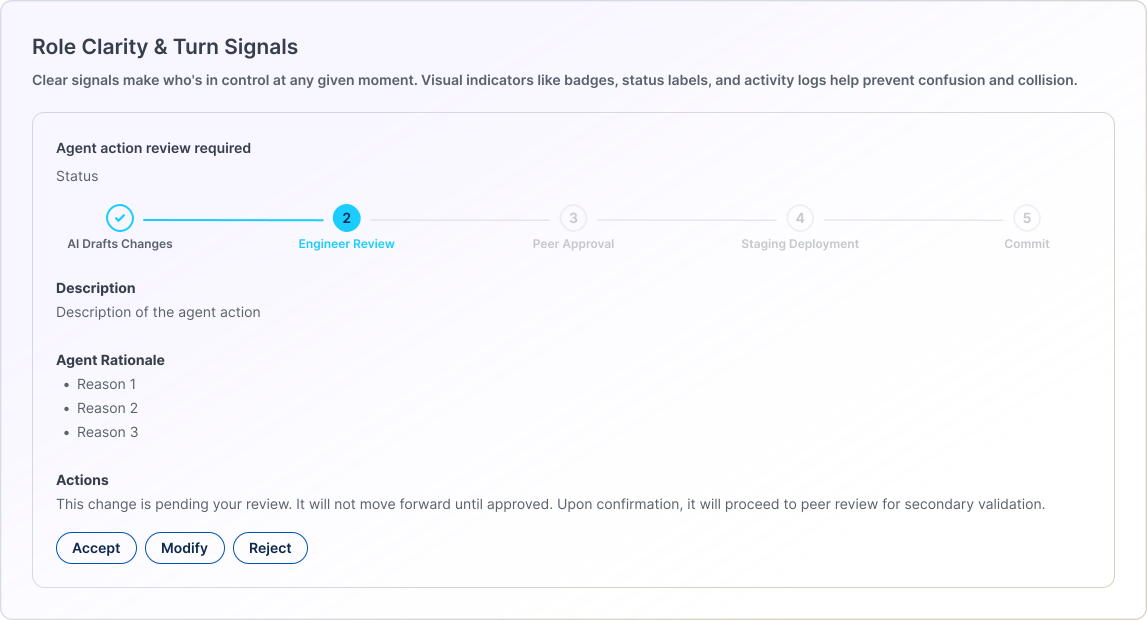
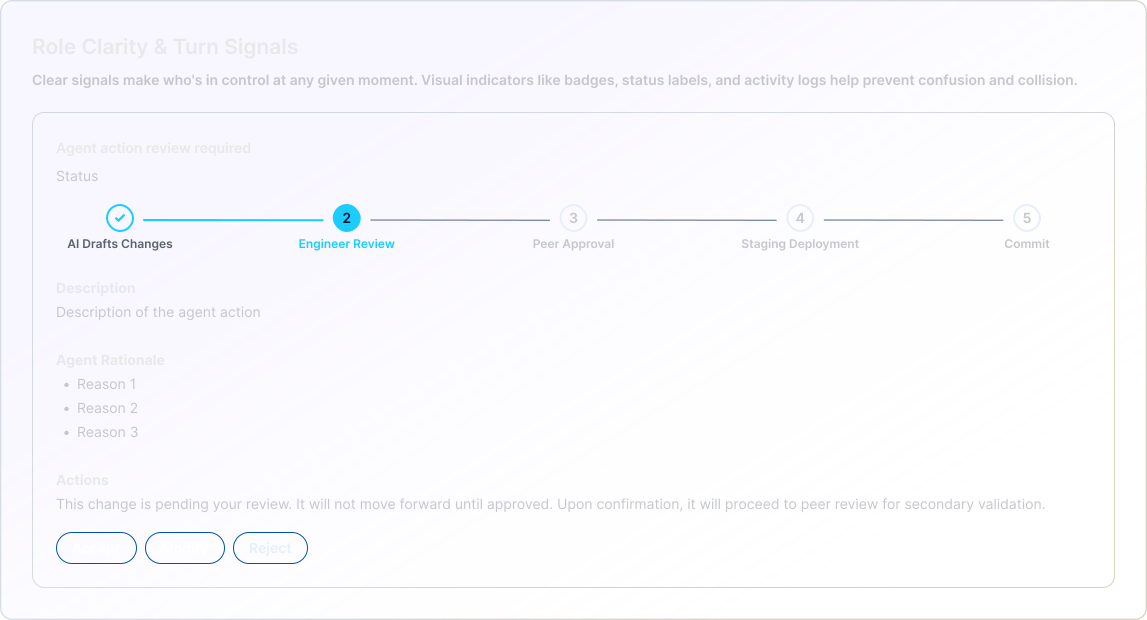
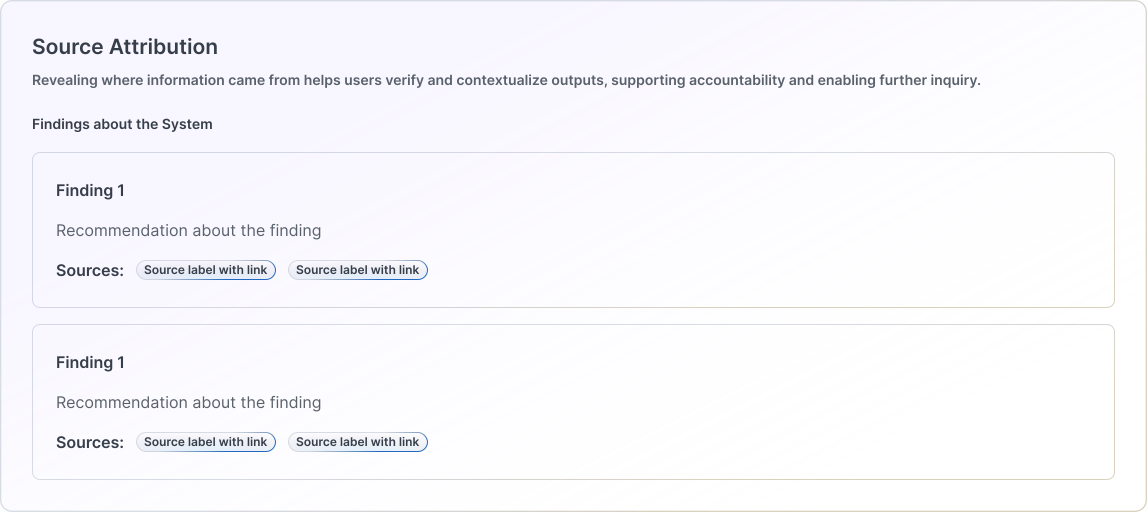
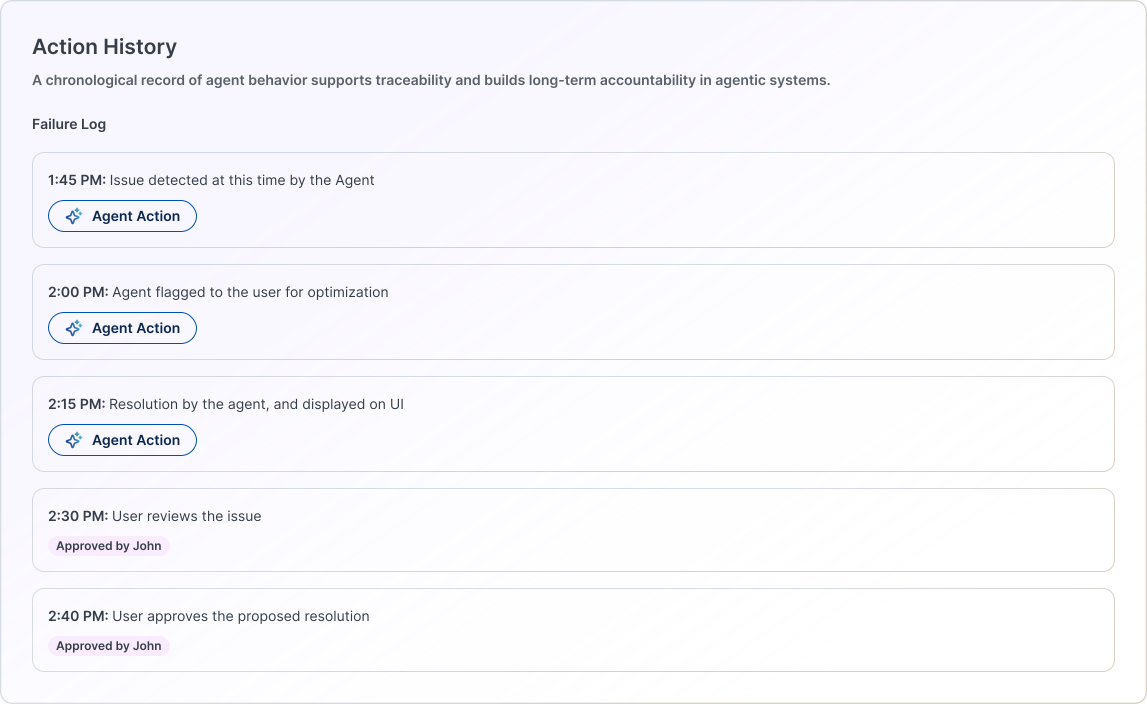
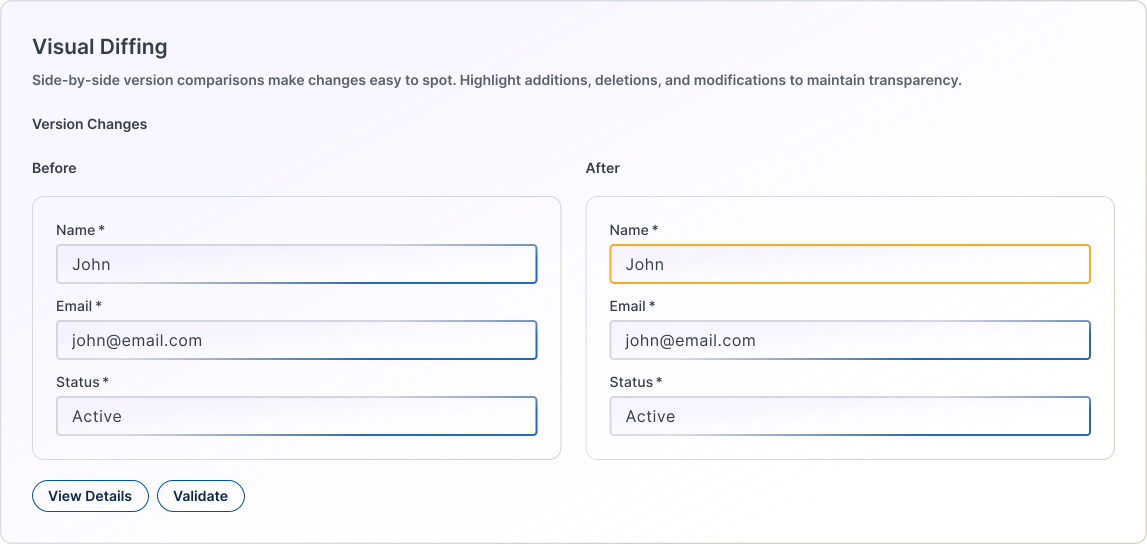
Traceability ensures agent decisions can be reviewed, understood, and improved over time. It makes behavior accountable across sessions, users, and workflows supporting debugging, learning, and workflow improvements.


A research framework for building AI-powered systems with human-centered design principles and ethical considerations at the core.
Explore the ResearchThe HAX SDK gives developers everything they need to integrate agents into their apps, without losing clarity, structure, or control. Use structured schemas, prebuilt components, and clear boundaries to keep agent behavior collaborative and predictable.
Explore the SDK